7 skills to learn before your first sailing adventure
Original post: Another World Adventures

Setting off on your first sailing trip is an exhilarating step into the unknown.
You’ll be leaving solid ground behind to immerse yourself in the rhythms of the ocean, discover a new way of seeing the world, and begin building an entirely new skillset.
Naturally, many first-time adventurers are curious (and sometimes a little nervous) about what to expect.
One of the most common questions we hear at Another World Adventures is: “What can I do to prepare?”
Here are some key things you can learn ahead of time to help you feel more confident and comfortable when you step aboard.
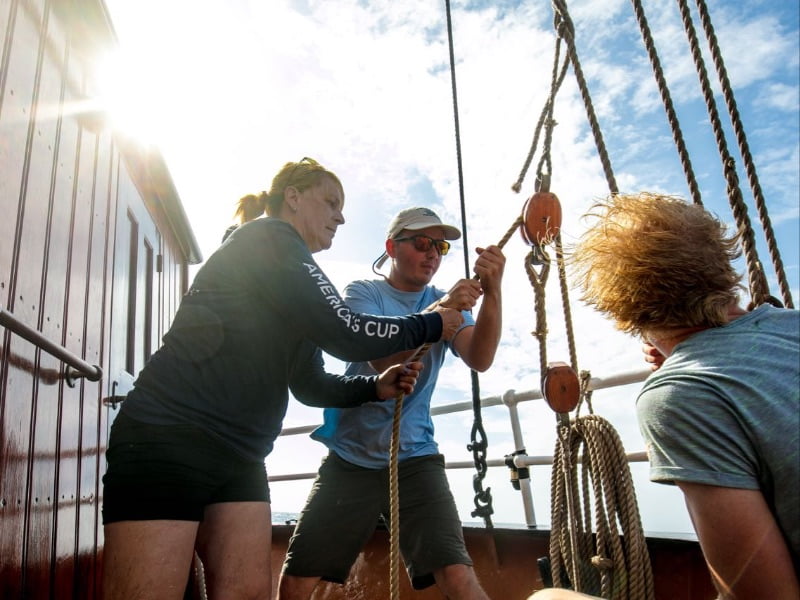
Image Credit: Darwin Voyage and Oosterschelde – find their latest voyages here.
It’s okay to be a beginner
First up, you don’t need to have all the answers before you join your first voyage.
Whilst learning the basics beforehand can help you find your sea legs faster, every single trip we offer includes the support of professional skippers who are there to guide and teach.
It’s completely normal to feel a little out of your depth when trying something new. That’s part of the adventure. The sea is one of the greatest teachers, and most seasoned sailors will tell you they’re still learning no matter how many miles they’ve logged.
That said, there are a few practical skills and bits of knowledge you can pick up before departure that will make your first experience even smoother.
Here’s where to start:
7 skills to learn before your first sailing adventure
Start learning some of the skills in preparation for your sailing trip so that you can step aboard and hit the ground running.
1. Basic knots
Bowline, half hitch, two round turns, reef knot, clove hitch – these are some of the most useful knots to learn before your first sailing voyage.
As you may already know, tying knots is an essential skill on board.
From securing the boat to the dock and tying on fenders, to making quick repairs or keeping the rigging in good order, the right knot can make all the difference.
If you’re unsure of where to start, pick up a book on knots, or there are plenty of YouTube tutorials online. With a little practice, you’ll be mastering them in no time.
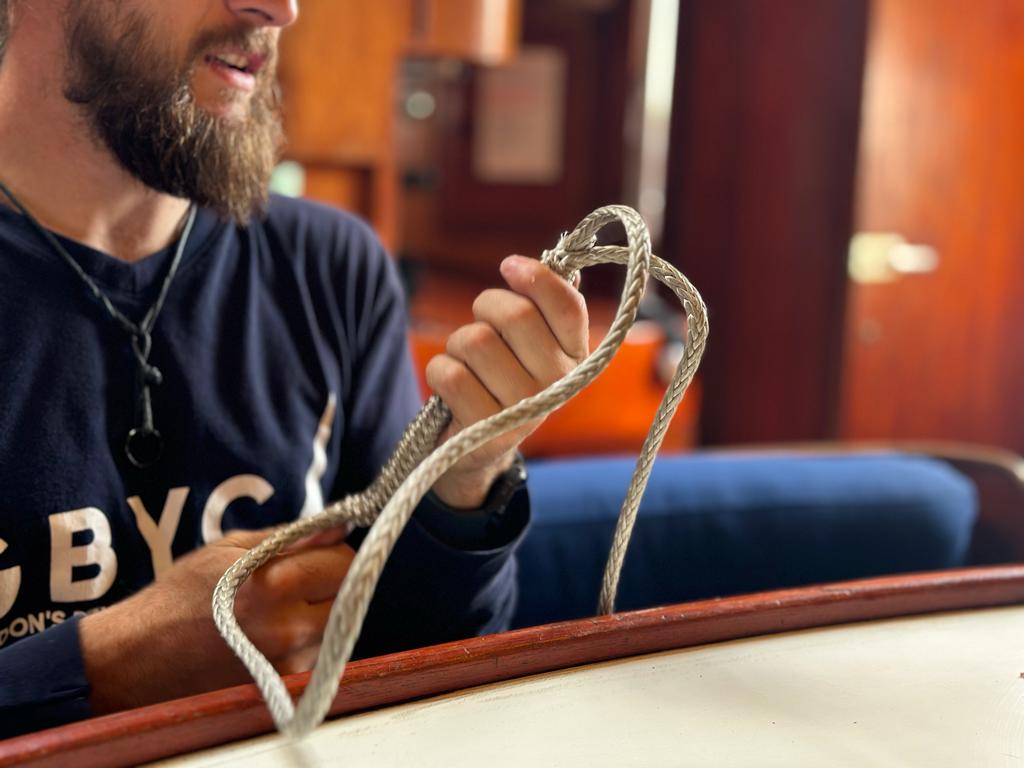
Image credit to WavySail sailing between Cape Town and St Helena. – Find their latest voyages here.
2. Reading the conditions
An essential part of passage planning is choosing the right weather and tide window.
The forecast can mean the difference between relaxed, champagne sailing and a rough ride marked by discomfort or seasickness.
Download a weather app like Windy and start tracking wind direction and speed. To take it a step further, get familiar with the Beaufort scale – it helps you understand how wind strength affects sea conditions and how to estimate wind speed without relying solely on electronics.
Combine this with tide tables, swell, and wave charts, and you’ll begin to build a well-rounded picture for voyage prep. Meteorology is a lifelong learning curve, but these basics are a solid place to start.

Image Credit to Bark Europa – sailing to Antarctica – Find their latest voyages here.
3. Boat terminology
Halyard. Sheet. Jib. Genoa. When you first step aboard a sailing vessel, it can feel like everyone’s speaking an unknown language.
Sailing comes with its own vocabulary, and knowing a few key terms ahead of time can help you feel more confident from day one.
Familiarise yourself with the basics: what different sails are called, which lines control them, and how parts of the boat are named. It doesn’t need to be complicated – even just recognising the difference between port and starboard, or bow and stern, can help you orient yourself more quickly on board.
Learning the names of things is the first step toward understanding how they work. Once you know what a halyard or a winch is, you’ll soon understand how and when to use it.

Image Credit – Challenge Ocean – joining the RORC – Find their latest voyages here.
4. Points of sail
When it comes to sailing, we adjust the sails based on the wind’s direction relative to the boat.
The easiest way to understand this is by learning the points of sail. This helps you know when to bring the sails in or let them out to maximise efficiency, safety and comfort.
As a general rule, the closer you are sailing into the wind, the more you bring the sails in and the further the wind shifts behind you, the more you let them out so they can fill.
Another key thing to know is that you can’t sail a boat directly into the wind. The area around 45 degrees on either side of the wind direction is known as the ‘no-go zone’ and you’ll need to tack (zig-zag) if you want to move closer to your destination.
To learn the points of sail, try using the American Sailing Association’s Sailing Challenge app which is free to download.
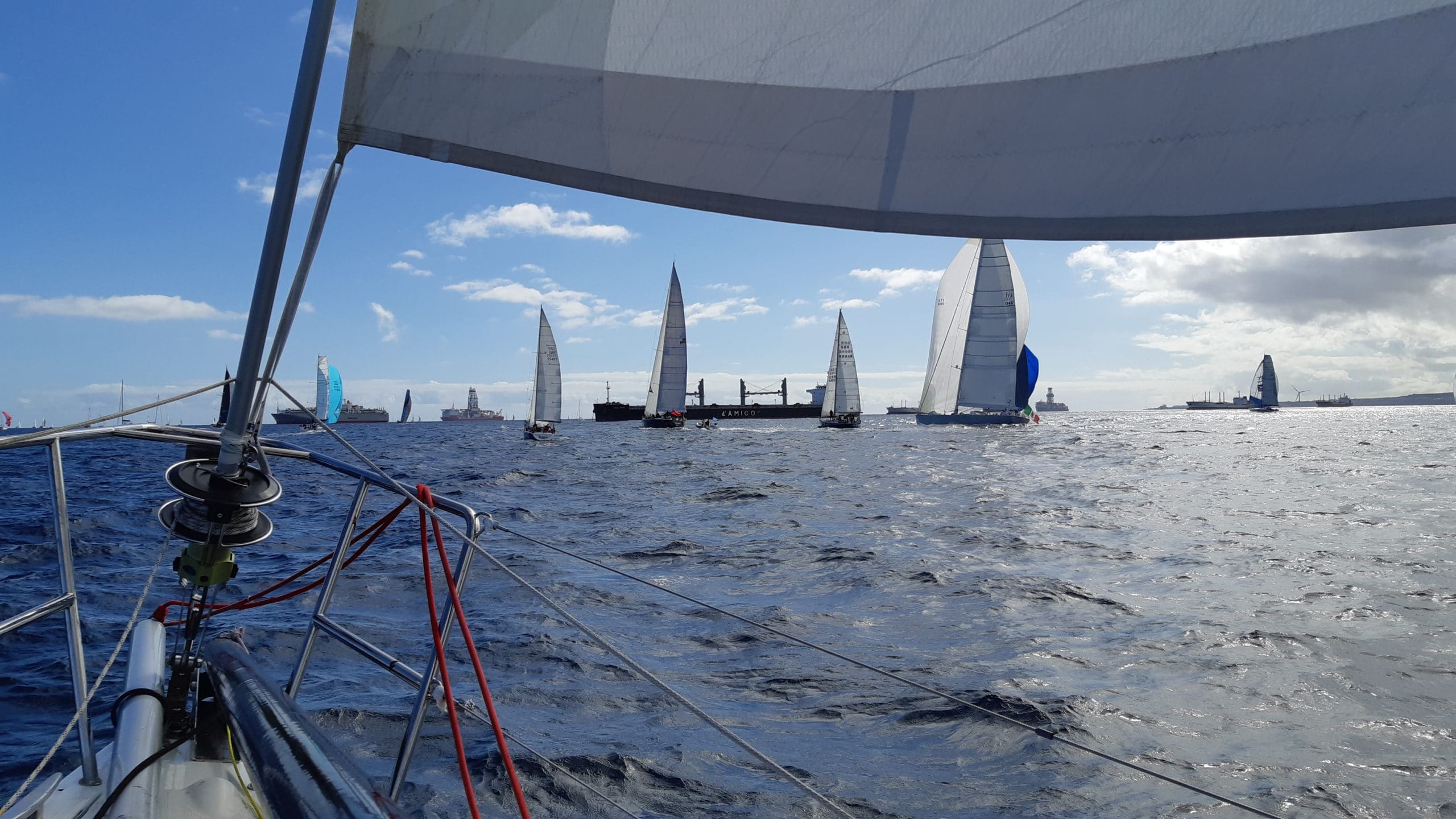
Image Credit – Sailing the ARC with Sail Racing Academy – Find their latest trips here.
5. Basic first aid
Safety is the foundation of any successful voyage and the more you know, the more confident and comfortable you’ll feel on board.
By preparing for potential risks in advance, you’ll not only take better care of yourself, but also contribute to the wellbeing of your crew.
Start by learning about common onboard health issues such as seasickness, dehydration, sun exposure, and hypothermia.
Understanding the signs and how to manage them early can make all the difference.
Brush up on basic first aid, especially for cuts, bruises, burns, or motion-related injuries, and make sure you know where safety equipment is kept once aboard.
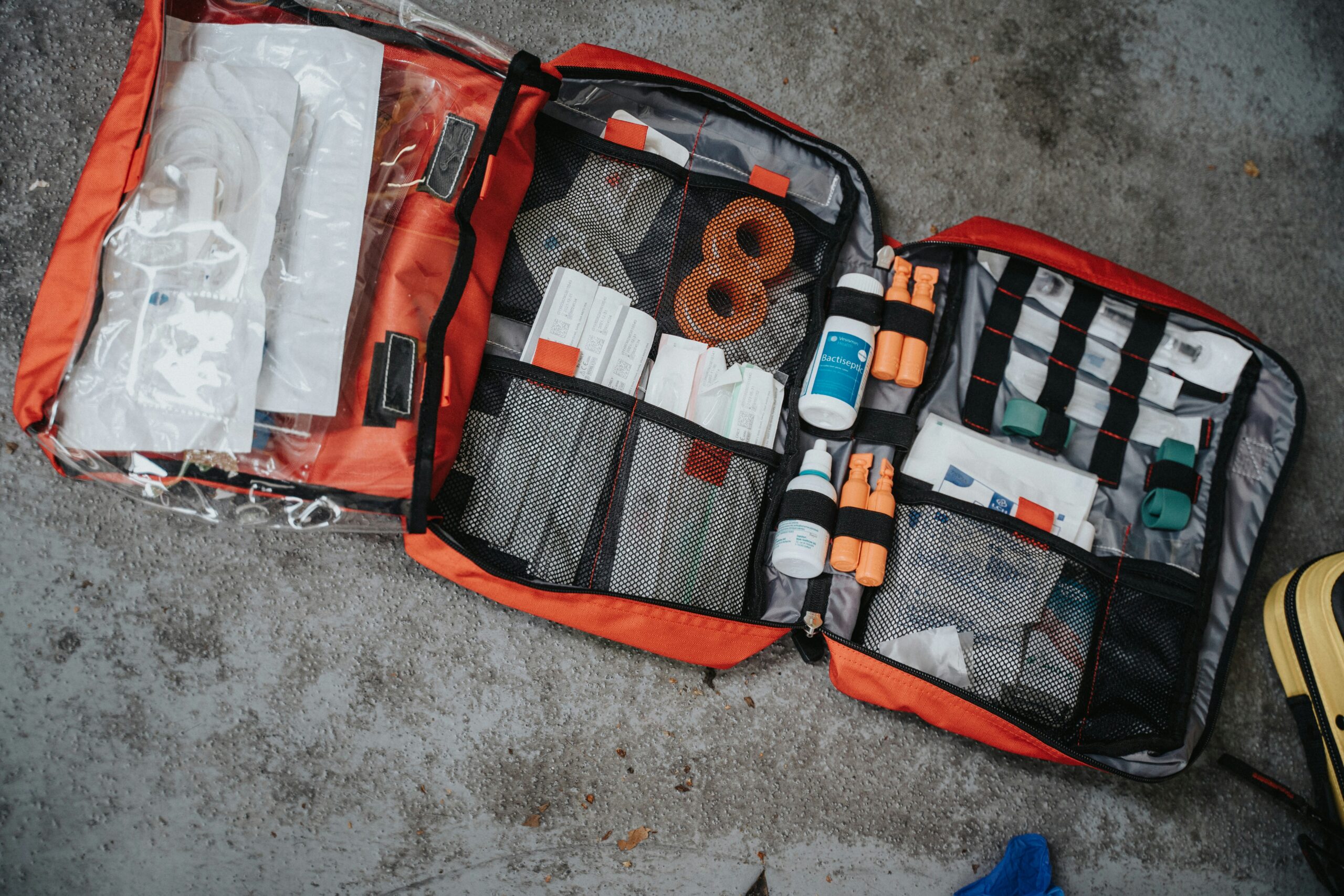
Image credit – Matnapo Unsplash
6. Basic navigation
Navigation is another major component of learning how to sail, and whilst our expert skippers will ensure you’re always on course it’s still useful to develop some knowledge.
Having a basic understanding also builds your confidence for future sailing adventures.
Typically we use the points of a compass to ensure we’re heading in the right direction – and we also use GPS coordinates to plot our routes and our positioning.
If you can understand both of those things you’ll be able to develop the concepts of navigation much easier when you’re aboard.
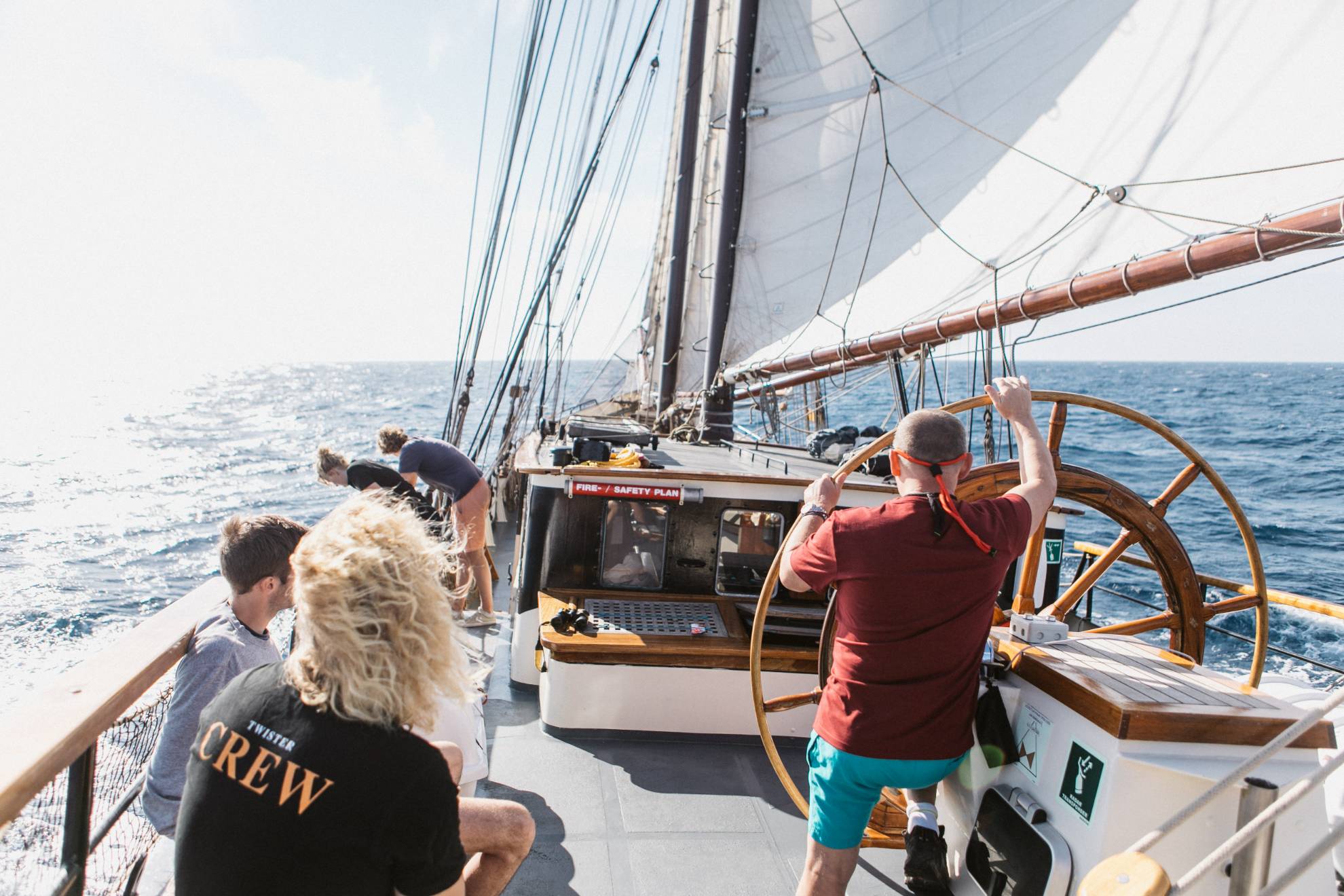
Image Credit – Sailing Transatlantic with Fair Ferry – Find their latest voyages here.
7. Positive mental attitude
Like most things, the way you approach sailing will significantly impact the type of experience you have.
Before departure choose your attitude. Being positive and proactive not only helps you to get the most out of your adventure but also has an impact on those around you.
At times, sailing can be challenging and you’ll have to dig deep.
If it’s rough weather you might feel seasick, and sometimes when you’re feeling tired it’s tough doing night watches.
But the challenge is all part of the experience – without it, it wouldn’t be an adventure.
So come prepared, with a spring in your step and see what you discover.

Image Credit – Florette – Find their latest voyages here.
Ready to get sailing?
Browse our range of sailing trips for inspiration on where to head on your first voyage. Or, get in touch to learn more about which adventure is right for you.


Hi I’m Larissa, Founder of Another World Adventures. Welcome! If you’re planning an adventure you’re in the right place. Get ready to discover epic travel inspo and a collection of hand-picked trips from my trusted network of experienced adventure experts. Think unusual destinations, expeditions, slow, solo and sustainable travel and epic journeys on land and at sea! Ever got a question? Just get in touch, I answer every enquiry myself. Enjoy!