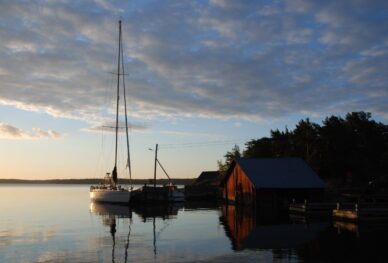
Not a Birding Trip (But You’ll See a Lot of Birds)
Original post: Another World Adventures

Bird-watching doesn’t have to be the point of a journey to become one of its most memorable parts.
On many of the adventures we curate at Another World Adventures, encounters with birdlife happen naturally — on mountain tracks, along remote coastlines, in forests, on rivers, and during long stretches where the only agenda is moving slowly through a place.
These aren’t specialist birding trips, and they don’t require prior knowledge or a checklist. They simply create the conditions where wildlife has room to exist — and where travellers have time to notice it.
What tends to stay with people are the moments that weren’t scheduled: seabirds tracking a vessel offshore, a dawn chorus outside camp, raptors circling above a high pass. Birds aren’t the headline act on these journeys, but they quietly shape the experience, adding context, rhythm, and a deeper sense of where you are.
That’s intentional. We look for journeys where wildlife is part of the environment rather than the entertainment — encountered on its own terms, in its own time.
Below are some of our favourite trips where birdlife — whether rare, endemic, or simply abundant — becomes part of the experience.

Birds of Bhutan — Himalayan Landscapes and High-Altitude Species
Bhutan’s valleys, forests, and mountain passes are home to some of the most striking bird species in the Himalayas, including the Himalayan Monal, Satyr Tragopan, and Black-necked Crane. Travelling slowly through these landscapes gives you time to notice not just the birds themselves, but the ecosystems they depend on.
Bird encounters are woven into a wider journey through remote regions, monasteries, and high passes — guided by local experts who understand how culture, landscape, and wildlife intersect.

Galápagos Voyages — Wildlife in Its Natural Context
The Galápagos Islands are synonymous with wildlife, and birdlife is central to that story. Blue-footed boobies, frigatebirds, and endemic species thrive here not because they’re protected behind barriers, but because the islands themselves are still largely intact.
This is wildlife observed while hiking lava fields, swimming offshore, and moving between islands on historic tall ships — a living demonstration of evolution and adaptation rather than a passive viewing experience.
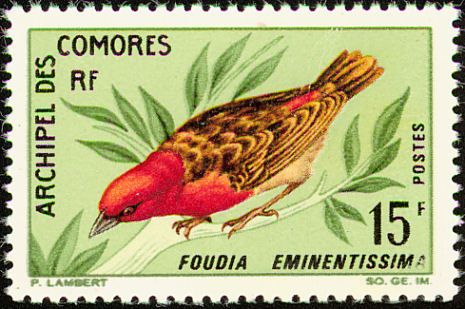
Comoros Wildlife Expedition — Remote Islands, Endemic Species
The Comoros archipelago remains one of the least visited island groups in the Indian Ocean, and its birdlife reflects that isolation. Forest species and seabirds appear throughout the journey, often in places where few visitors have ever stood.
Remoteness is key here. Travel logistics are part of the experience, and wildlife encounters feel earned — brief, unscripted, and memorable.
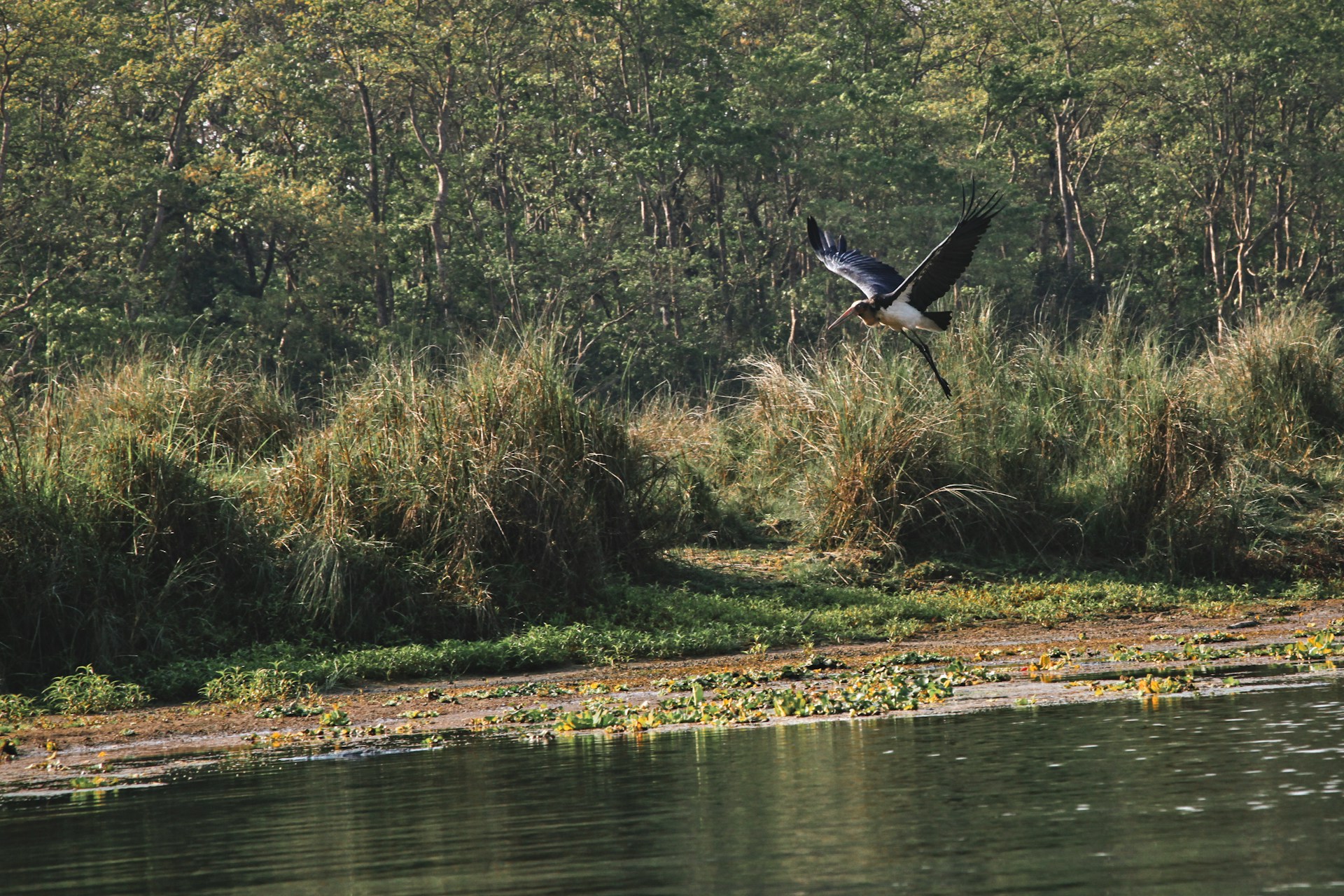
Nepal Wildlife — Birds Beyond the Big Species
Nepal’s national parks are known for megafauna, but birdlife thrives in the same habitats. Kingfishers, hornbills, egrets, and raptors appear on river journeys, jeep safaris, and quiet walks through forest and grassland.
Shifting between habitats means constantly changing birdlife, reinforcing how closely species are tied to landscape and water.

Ocean, Expedition & Wilderness Journeys — Birds as Constant Companions
On longer wilderness journeys — whether polar expeditions, remote island routes, or extended overland travel — birds often become the most consistent wildlife presence. Seabirds, in particular, reveal patterns of wind, weather, and ocean productivity long before instruments do.
These journeys reward observation. The more time you spend moving through a place, the more birds become part of its rhythm.
Birds as a Way of Paying Attention
Unlike specialist birding tours built around lists and targets, these adventures encourage a different approach — noticing rather than chasing.
Birdlife appears at first light, before the day’s movement begins. Along coastlines and rivers that shape travel routes. Around camps, ports, and quiet moments between activities.
You don’t need to identify every species to gain something from the experience. Simply noticing who is present — and where — deepens your understanding of a place.
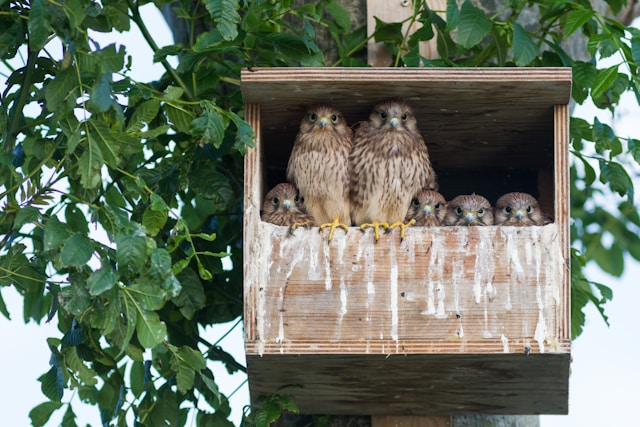
Behaviour, not birding
The unscripted side of wildlife encounters
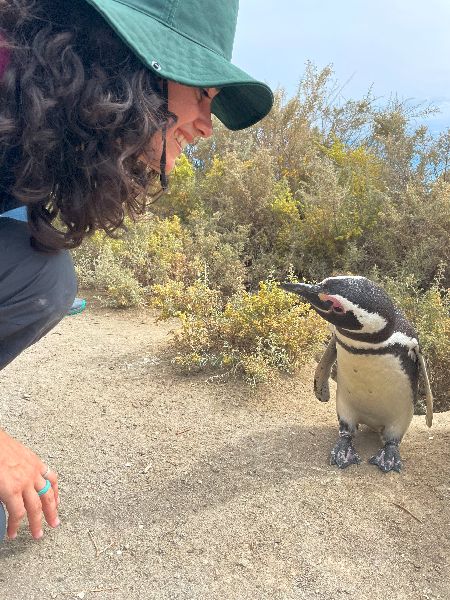
Spend enough time moving slowly through the world and birds stop being abstract species and start behaving like individuals.
There’s the audacity of coastal gulls that have learned exactly how close they can get before you react. The confidence of raptors that barely acknowledge your presence as they ride rising air. And the vulnerability of a small songbird blown offshore, taking brief shelter on a passing boat before gathering itself and continuing on.
These moments don’t need interpretation or labels. They simply remind us that birds are adapting, improvising, and responding to the same environments we’re travelling through — often with far less margin for error.
Citizen Science on the Road: Turning Observation into Contribution
For travellers who want to go a step further, bird encounters also offer an opportunity to contribute to real science.
Citizen science projects increasingly rely on observations from people already out in the world — sailors, trekkers, overland travellers, and expedition participants — who are uniquely placed to record sightings in remote or under-reported areas.
Simple actions such as logging bird sightings, recording seabird presence, or uploading photos and notes from remote regions can feed into global datasets tracking migration patterns, population changes, and the impacts of climate and habitat loss.
Initiatives supported by organisations like Free Range Ocean demonstrate how everyday travellers can help build a clearer picture of ocean and land ecosystems — not through specialist expeditions, but through consistent observation and curiosity.
Birds are indicators. When we pay attention to them, we’re also paying attention to the health of the places we travel through.
Why This Matters
Adventure travel has the power to reconnect people with the natural world — not through spectacle, but through presence.
Birdlife often provides the first signal that a place is functioning as it should. Noticing it — and, where possible, contributing observations — turns travel into something more participatory, more informed, and ultimately more meaningful.
These aren’t birding trips.
But if you travel slowly, stay curious, and keep your eyes up, you’ll see far more than you expect.


Hi I’m Larissa, Founder of Another World Adventures. Welcome! If you’re planning an adventure you’re in the right place. Get ready to discover epic travel inspo and a collection of hand-picked trips from my trusted network of experienced adventure experts. Think unusual destinations, expeditions, slow, solo and sustainable travel and epic journeys on land and at sea! Ever got a question? Just get in touch, I answer every enquiry myself. Enjoy!